
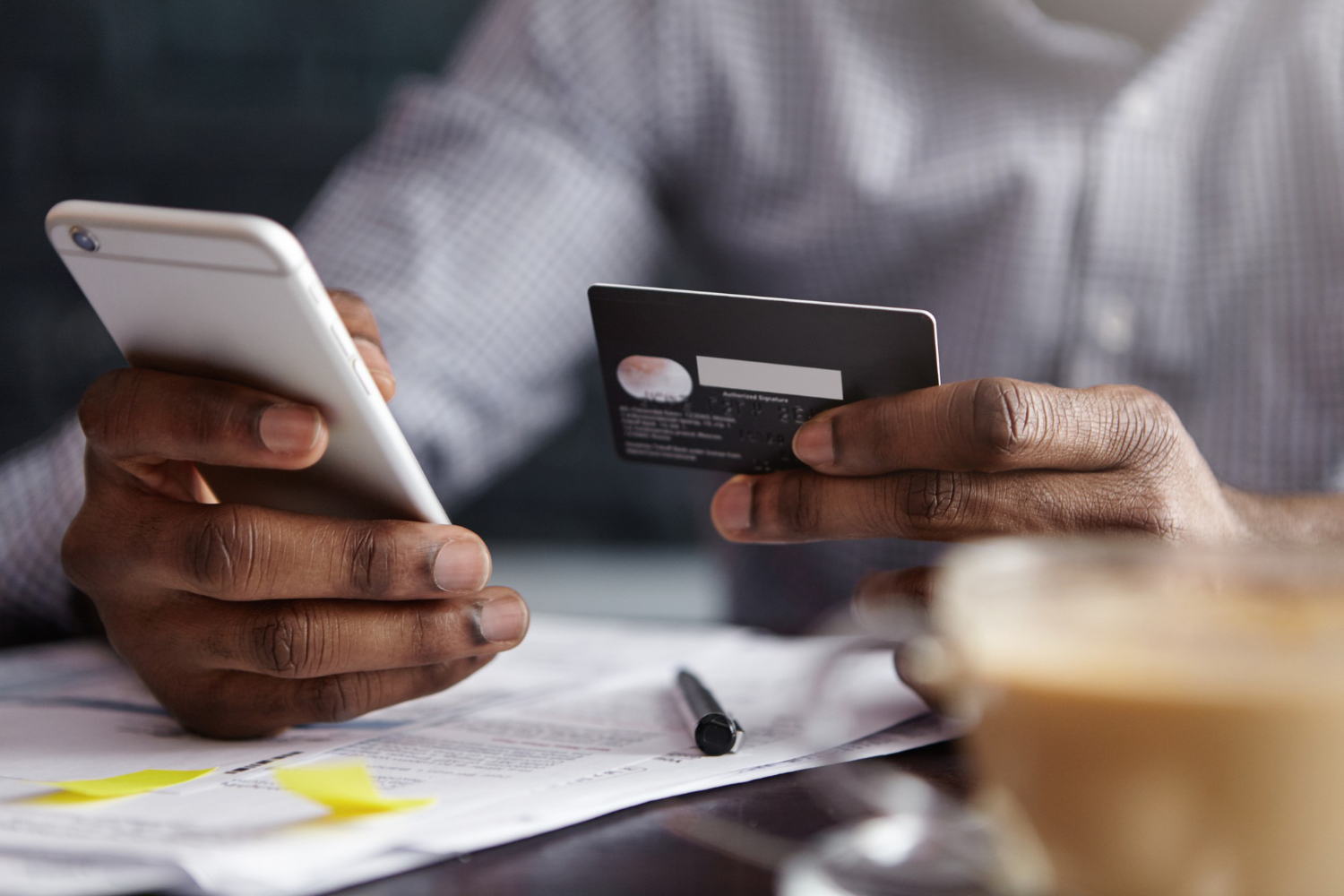
Black Friday falls on 27 November this year, one week after International Fraud Awareness Week, marking the start of South Africa’s busiest shopping season, a stretch of deals, payday splurges and festive gift-buying that runs well into December. Retailers are not the only ones preparing. Fraudsters time their campaigns for the same weeks, knowing shoppers are distracted, in a hurry and primed to believe that an unusually low price might be real. Fake websites, phishing messages, and stolen card details all surge as transaction volumes climb. Eighty20, a consumer insights and data science business that helps brands find customer-led growth, outlines the most common scams of the season and how to protect yourself.
While it is hard to get a full reckoning of the impact on the economy, the South African Banking Risk Information Centre’s (SABRIC) 2025 Annual Crime Statistics Report suggests South Africans lost R2.4 billion to digital banking crime in 2025 across more than 110,000 reported incidents.
SABRIC said reported client claim amounts more than doubled from R1.09 billion in 2023 to R2.4 billion in 2025. This was also a 29.2% increase from the approximately R1.9 billion recorded in 2024.
Retail spend in 2025, November and December accounted for about R330bn in spend (21% of annual retail sales).
The Southern African Fraud Prevention Service (SAFPS), a non-profit organisation set up to combat fraud, particularly identity fraud and fraud against financial institutions and retailers, warns that increased consumer spending creates multiple opportunities for fraudsters to exploit unsuspecting shoppers. And timing matters. In terms of retail spend in 2025, November and December accounted for about R330bn in spend (21% of annual retail sales).
Card fraud
Online sales periods are dominated by card-not-present fraud, where stolen card details are used for online and in-app purchases. Details are harvested through phishing messages, data breaches, skimming, and fake checkout pages. Fraudsters also try to intercept the one-time PIN (OTP) or 3D Secure approval, often by posing as the bank and talking victims into sharing it. Credit cards generally offer stronger protection than debit cards because the money at risk is the bank’s credit rather than cash from your own account.
Fake websites and online shopping scams
South Africans are targeted at high rates through scams and impersonation that exploit trusted channels such as WhatsApp, SMS, email, social media, and phone calls. According to the 2026 State of Scams in South Africa Report by the Global Anti-Scam Alliance, 54% of scam-exposed consumers engaged with fraudsters and 19% suffered financial or data losses. Only 6% reported it to authorities. The same survey found that more than 60% named identity theft as the cyber threat they worry about most, and with reason: a stolen identity can be used to claim benefits, commit crimes, or file false tax returns.
AI has made fraud more scalable and sophisticated at minimal cost, and it is now cheap and easy to clone a retailer’s site convincingly. Behind the bargain ads on social media and marketplaces sit fake shops with invented reviews and legitimate-looking checkouts. Victims receive counterfeit goods or nothing at all, and their card and personal details are harvested for further fraud or sold on to other criminals. Non-delivery scams, where goods are paid for but never arrive, and scams on platforms such as Facebook Marketplace are also common.
Capitec has warned of AI-cloned versions of Takealot, Game and Incredible Connection. Woolworths warned customers about a fake promotions and Cape Union Mart, FlySafair and Mr Price Money have all reported fake websites.
Check Point Research in the US found more than 4,000 newly registered domains containing November shopping keywords such as Black Friday, Cyber Monday and Singles’ Day between October and early November, and nearly one in five had already been classified as risky. US data also suggests that 30% of people who reported losing money said it started on social media. Locally, Capitec has warned of AI-cloned versions of Takealot, Game and Incredible Connection. Woolworths warned customers about a fake promotions and Cape Union Mart, FlySafair and Mr Price Money have all reported fake websites.
“Fraudsters impersonate representatives from banks, insurers, mobile service providers or government institutions. They manufacture emergencies, claiming suspicious account activity, unauthorised SIM swaps or security breaches requiring immediate intervention. Victims are pressured into disclosing banking credentials, sharing one-time PINs, clicking malicious links, or transferring funds. Criminals frequently exploit personal information to establish credibility and encourage compliance,” warns SAFPS CEO Manie van Schalkwyk.
How to protect yourself
The best way to stay safe is to watch out for unsolicited links, prices far below other retailers, pressure to act quickly, unusual payment requests and requests for personal information a purchase does not need (bank details, SA ID number etc.).
- Type the retailer’s address directly rather than clicking links in ads or messages and check the URL carefully. Use the free Yima URL scanner (yima.org.za) to check whether a site is safe. Ask ChatGPT if they are aware of scams linked to the site.
- Stick to reputable retailers, check reviews, contact details and company registration before buying from an unfamiliar store.
- Pay with a credit or virtual card, make sure 3D Secure verification is used, and do not save your card details on shopping sites.
- Set transaction limits and notifications with your bank.
- Never share an OTP, PIN, password, ID number, or bank details. Your bank will never ask for them.
- Be wary of EFT-only payment requests.
- Keep devices and apps updated and avoid public Wi-Fi for payments.
If you become a victim
Act quickly. Contact your bank immediately to block your card and dispute the transaction, then change your passwords, starting with your email, and check other accounts linked to that email address. Report the case to SAPS for a case number, and test and report fake sites or messages to the impersonated retailer and through Yima. If your ID details were compromised, consider a protective registration with SAFPS. If your bank’s response is unsatisfactory, escalate to the National Financial Ombud Scheme.
Real deals, real risks
With 21% of annual retail sales happening in the last two months of the year, it pays to be cautious. Many of the deals are real, but so is the risk. “If it feels rushed or too good to be true, stop and check,” advises Eighty20.
“Young people, particularly those familiar with digital technology, can play an important role by educating family members, friends and older generations about emerging threats. Victims should never feel ashamed or isolated. By encouraging conversations, supporting victims and sharing knowledge, South Africans can collectively strengthen fraud prevention and resilience,” concludes Van Schalkwyk.